Loading...
Serving Hobbs, NM and surrounding areas. (575) 665-9727
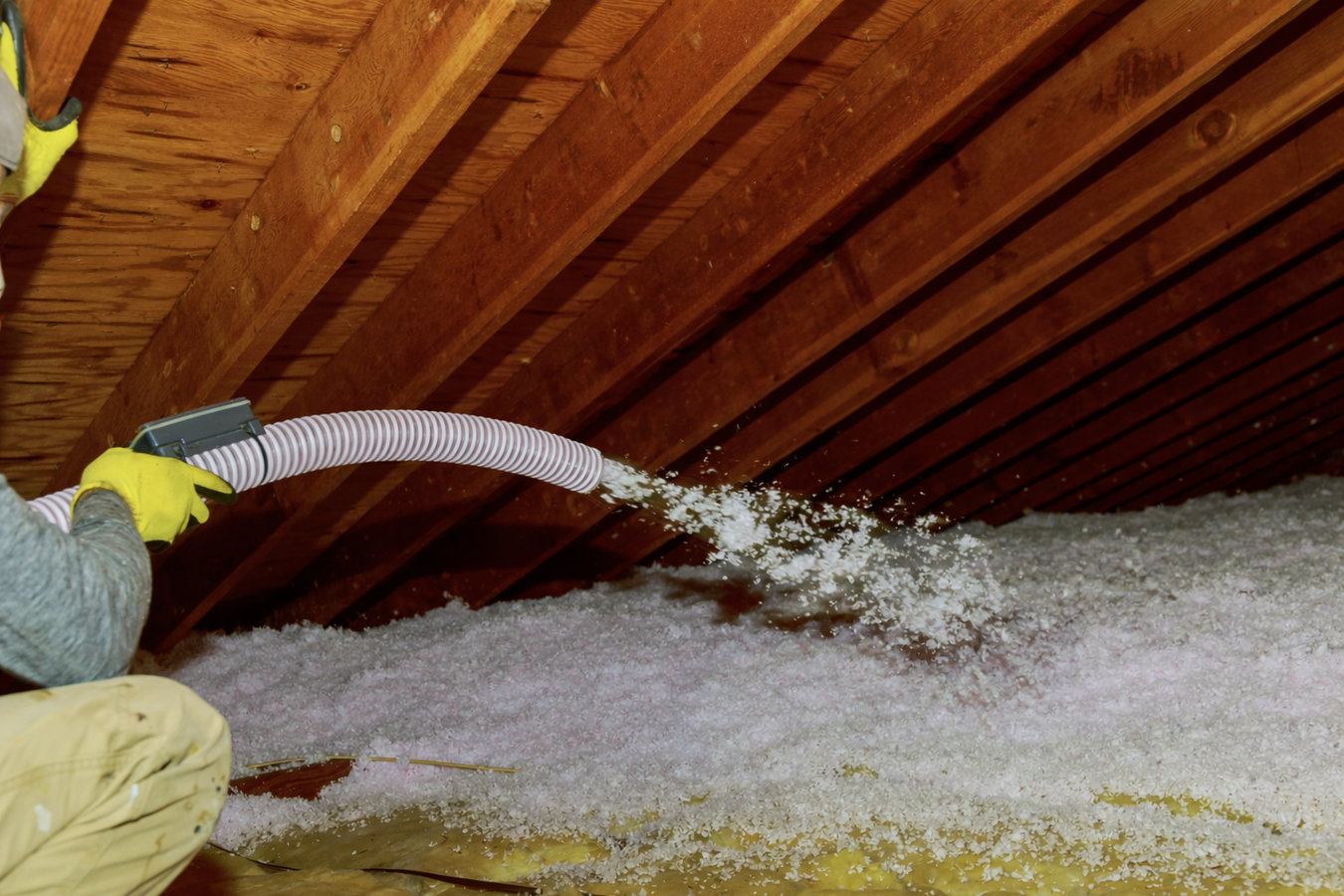
Hot attics and climbing electric bills are not just a nuisance in Hobbs - they are a sign your insulation is not keeping up with the desert heat. Blown-in insulation fills the gaps your old insulation cannot reach and keeps your AC from running nonstop all summer.
Blown-in insulation in Hobbs fills your attic with loose material - usually fiberglass or cellulose insulation - blown in through a hose, covering gaps and corners that rigid rolls cannot reach. Most standard attic jobs take half a day from start to cleanup, and the difference shows up in your first full summer electric bill.
In southeastern New Mexico, where temperatures push past 100 degrees for weeks at a time, an under-insulated attic is essentially a heat pump working against your air conditioner. Hobbs homeowners in older mid-century homes are especially likely to be running on insulation that was never adequate to begin with. If your home was built before 1980, the insulation in your attic probably falls well short of what is recommended for our climate zone.
Blown-in insulation pairs naturally with attic insulation work and with home insulation projects that cover walls and other areas of the house. If you are dealing with uneven temperatures or stubbornly high bills, both are worth considering at the same time.
If your electric bill creeps up year over year but your habits have not changed, your attic insulation is a likely culprit. In Hobbs, an under-insulated attic forces your AC to run almost continuously through a five-month cooling season, and you feel it in your utility bill before you notice anything else.
If one or two rooms feel stubbornly hot even when the rest of the house is comfortable, those rooms likely sit under a section of attic with thin or missing insulation. This is especially common in older Hobbs homes where insulation was applied unevenly or has settled over the decades.
If you peek into your attic and can clearly see the wooden beams running across the floor, your insulation is almost certainly too thin. Properly insulated attics in Hobbs should have material deep enough that the floor joists are buried. This is a quick visual check anyone can do with a flashlight.
Hobbs is known for spring windstorms, and if you are constantly wiping dust off surfaces after a windy day, some of that dust may be entering through gaps in your attic ceiling. Inadequate air sealing around attic penetrations is a common contributor to this in this region.
We install blown-in insulation in attics, walls, and crawl spaces across Hobbs and surrounding communities. Before any material goes in, we seal gaps around light fixtures, pipes, and other openings - a step that makes the whole job more effective and reduces dust infiltration at the same time. Most attic jobs are finished the same day you call us, with the crew working in the attic while you go about your normal routine.
Our blown-in work often pairs with attic insulation assessments, and we frequently combine it with broader home insulation projects for homeowners who want to address walls and crawl spaces at the same time. If you are unsure what your home needs, an assessment visit will give you a clear picture before you commit to anything.
Best for most Hobbs homes - fast installation, full attic-floor coverage, and immediate impact on cooling costs.
Ideal for older homes where walls were never insulated or where batt insulation has settled and left gaps.
The most effective combination - sealing gaps before blowing in material improves both insulation performance and dust control.
For homes that have some insulation but are below the recommended R-value for Hobbs's desert climate zone.
Hobbs sits in the Chihuahuan Desert region of southeastern New Mexico, where summer temperatures regularly exceed 100 degrees and the cooling season stretches from April through October. Your attic can reach 150 degrees on a hot July afternoon, and any gap in your insulation becomes a direct pipeline for that heat into your living space. The U.S. Department of Energy places Hobbs in a climate zone that calls for attic insulation between R-38 and R-60 - substantially more than what most older Hobbs homes currently have. If your home was built during the oil boom years of the 1950s through 1970s, there is a good chance your attic insulation falls well short of that target.
We serve homeowners across the region, including in Carlsbad, NM and Lovington, NM. The climate conditions that drive insulation needs in Hobbs are consistent across this part of the state - persistent wind, blowing dust, hard UV exposure, and desert heat that does not let up until fall. A properly done blown-in job addresses all of those at once.
Call or submit a request online - we respond within 1 business day. We will ask a few basic questions about your home's age and what is prompting your call so we come prepared.
A contractor visits and inspects your attic - usually 15 to 30 minutes. They measure existing insulation depth, check for moisture or gaps, and explain exactly what they recommend and why. No obligation.
You receive a written estimate specifying the scope, the proposed R-value, and the total cost. There is no pressure to sign immediately - take time to compare quotes if you are getting more than one.
The crew seals gaps first, then blows in material to the correct depth. They leave depth markers in the attic so you can verify coverage yourself. Final walkthrough confirms everything before they leave.
We respond within 1 business day. There is no obligation to move forward after the estimate visit - you get a written quote and all the information you need to make the right call for your home. After you submit, someone from our office will call to schedule your free on-site assessment.
(575) 665-9727We start every job with a free written estimate that spells out the R-value, material, and coverage area before we set foot in your home. You know exactly what you are getting and what it costs, with a documented record of the finished work when we wrap up.
We are a locally owned business based in Hobbs. When you call us, you are talking to someone who lives here - not a dispatcher routing your job to whoever is available in the region that week. That accountability matters when questions come up after the job.
We seal gaps around pipes, light fixtures, and other attic-floor penetrations before blowing in material. Skipping this step is a common shortcut that undercuts the whole job - we do not skip it. You get the full thermal barrier, not just material on top of existing gaps.
After the job, we place depth markers in your attic so you can verify the coverage yourself with a flashlight - no special knowledge required. Federal trade rules require this, and we follow them every time. You should be able to confirm you got what you paid for without taking our word for it.
Every job is documented and completed to current New Mexico energy code standards. That paper trail protects your investment and gives you something concrete to reference if you ever sell the home.
Address the full picture - walls, crawl spaces, and attic together - with a whole-home insulation assessment and installation.
Learn moreComprehensive attic insulation services that go beyond material depth to assess ventilation and air sealing needs at the same time.
Learn moreScheduling fills up fast when temperatures start climbing - contact Hobbs Insulation now for your free on-site estimate.