
Loading...
Serving Hobbs, NM and surrounding areas. (575) 665-9727
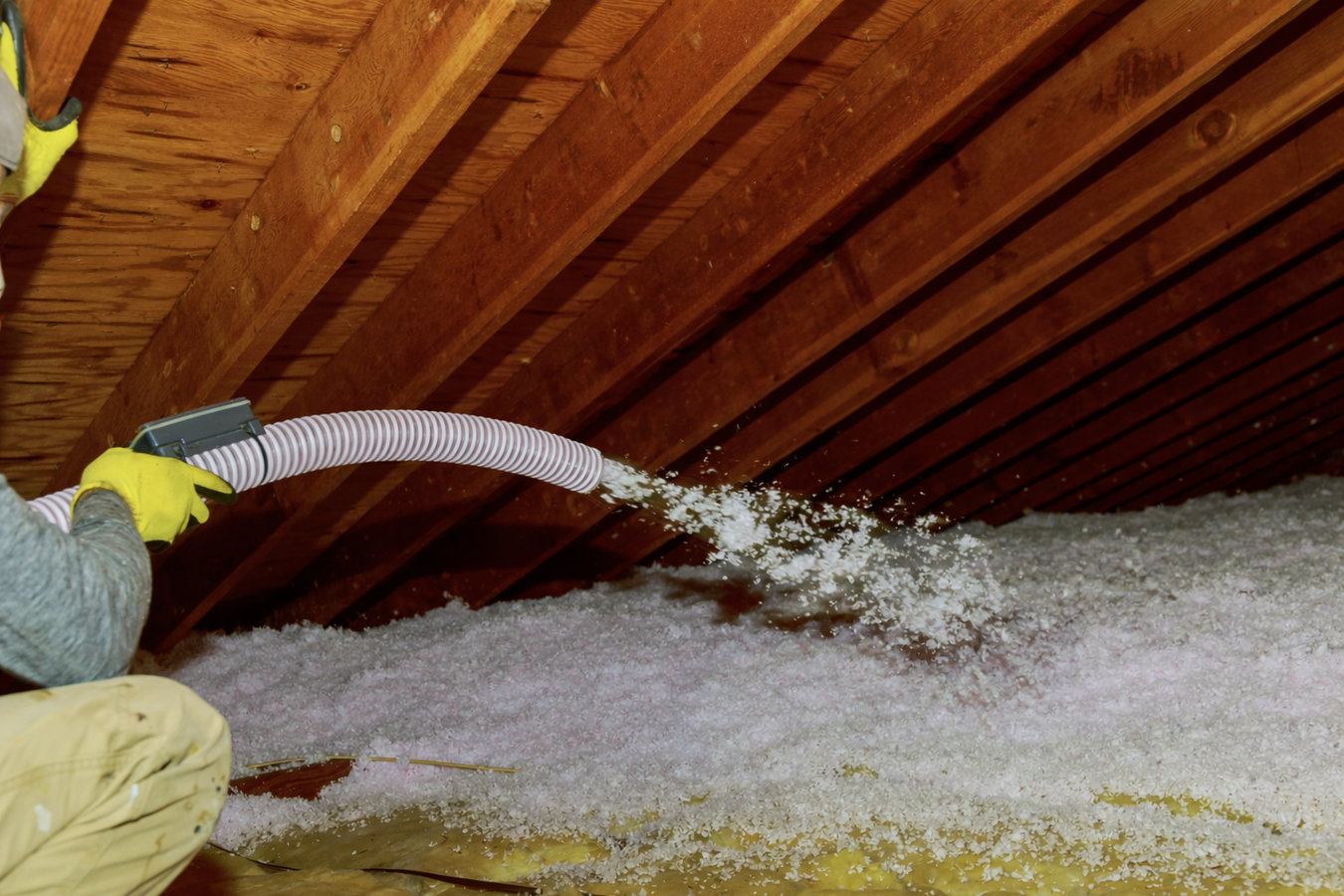
Hobbs Insulation serves Clovis, NM with blown-in insulation, attic upgrades, and spray foam — experienced local crew, free on-site estimates, and same-week scheduling available for most Clovis jobs.
Most Clovis homes from the 1950s and 1960s have wall cavities with compressed or missing original insulation. Blown-in insulation reaches those enclosed cavities through small drilled holes, no demolition required — making it the practical retrofit for the ranch-style housing stock that lines most Clovis residential streets.
Clovis sits at over 4,200 feet and gets both hard winters and hot summers. An under-insulated attic works against your HVAC system in both directions — letting heat pour in from above during the summer and allowing warm air to escape upward in winter. Upgrading attic insulation to current code targets is usually the fastest path to lower energy bills here.
Hailstorms and 60 mph wind gusts are a regular part of spring and summer in Clovis, and wind finds any gap in an older home. Spray foam seals those air pathways while insulating, which is why it works especially well in crawl spaces, rim joists, and around the penetrations that appear in older Clovis construction.
The clay soils around Clovis shrink in dry months and swell when wet, which causes minor shifting in foundations and walls over the years — opening up small gaps that allow air movement. Air sealing before adding new insulation significantly improves the effectiveness of every dollar spent on insulation material.
For Clovis homeowners looking to address the whole house — attic, walls, and crawl space — at once, a comprehensive home insulation assessment gives a clear picture of where heat is being lost and what the right solution is for each area. Whole-home upgrades typically deliver the largest and fastest reduction in monthly heating and cooling costs.
Older Clovis attics sometimes have batt insulation that has been flattened by years of foot traffic, soaked by a past roof leak, or contaminated by rodent activity. Removing that material safely before adding new insulation is the step that determines whether the upgrade actually performs correctly.
Clovis sits at 4,280 feet on the flat Llano Estacado, and the climate here is harder on homes than many residents realize. Winters bring hard freezes with lows below 20 degrees F most years, and the frost can penetrate several inches into the ground. Summers push daytime highs into the mid-to-upper 90s and sometimes touch 100 degrees F, with intense UV that ages roofing and exterior materials faster than in cloudier climates. Then every spring and summer, severe thunderstorms roll through with wind gusts that can exceed 60 mph and hail that dents and cracks whatever is exposed. A home that was sealed and insulated when it was built in 1958 or 1965 was not designed for this level of scrutiny, and the materials have aged considerably since then.
The clay soils beneath Clovis add another challenge. Eastern New Mexico goes through cycles of drought and rain, and clay-heavy soils expand and contract with each cycle. Over time, that movement opens small gaps at foundation sill plates, around window frames, and along the bottom edges of exterior walls. Those gaps let conditioned air out and outdoor air in — which is exactly what insulation alone cannot fix. Combining air sealing with insulation upgrades is how Clovis homeowners get results that actually show up on their monthly utility bills. Cannon Air Force Base draws families from all over the country who may not be used to this climate, and the energy costs can be a surprise in the first winter or summer if the home was not recently upgraded.
The ranch-style homes on Clovis residential streets — stucco and brick exteriors, low-pitched roofs, slab or shallow crawl space foundations — are the housing type our crew encounters most often in Curry County. We know how these homes were built and what their common weak points are: thin original attic insulation, unsealed top plates, and wall cavities that were never filled. Permit applications for residential insulation work within Clovis city limits go through the City of Clovis Development Services Department, which we coordinate directly for jobs that require it.
The Norman Petty Studios neighborhood on West Seventh Street sits in one of the older residential sections of Clovis, and the homes there often need the most comprehensive insulation work. Newer subdivisions on the north side near Ned Houk Park have larger lots and more recent construction, with different but still meaningful insulation gaps. We also serve customers regularly in Plainview, TX, about two hours east on US-70, where a similar climate and building stock create the same patterns of insulation need.
Call (575) 665-9727 or fill out the contact form on our site. We respond within one business day and can typically schedule a Clovis estimate within the same week.
We come to your Clovis home, inspect the attic, walls, and crawl space as applicable, and give you a written quote listing scope, material, and R-value. No cost, no obligation — you decide if and when to move forward.
On installation day the crew brings all materials and equipment. Most Clovis blown-in and attic jobs finish in one day. Spray foam jobs require 24 hours of ventilation before re-entry.
We walk through the finished work with you, answer any questions, and make sure you know what was installed, where, and what it achieves. We are reachable by phone after the job if anything comes up.
Free estimates with no pressure. We serve all of Clovis, NM and respond within one business day.
(575) 665-9727Clovis is Curry County's seat and eastern New Mexico's largest city in this corner of the state, with about 39,000 residents on the flat, open Llano Estacado. Cannon Air Force Base sits just west of the city and is one of the region's biggest employers, bringing a steady rotation of military families that gives Clovis a more transient residential character than the smaller towns nearby. The base means there is always a population of renters and short-term homeowners alongside the long-term owner-occupied households that make up the majority of the city's housing stock. Downtown Clovis has its own place in music history — the Norman Petty Studios on West Seventh Street is where Buddy Holly recorded some of his most recognized work in the late 1950s, and it remains one of the most visited historic sites in the area.
Residentially, Clovis is a city of single-family detached homes on modest lots, with ranch-style construction dominating neighborhoods built between the 1950s and 1970s. Stucco and brick are the most common exterior finishes, and many homes have low-pitched roofs suited to the dry, open climate. Newer subdivisions have expanded the city north and west, bringing more recent construction with slightly better insulation standards — though still well below what the climate demands for comfortable and efficient operation year-round. We also serve homeowners in nearby Portales, about 20 miles to the south, where the same climate and building stock create the same insulation upgrade opportunities.
High-performance spray foam that seals and insulates in one application.
Learn moreLoose-fill insulation blown in to fill gaps and hard-to-reach cavities.
Learn moreInsulate basement walls and rim joists to prevent heat loss below grade.
Learn moreDense, moisture-resistant closed-cell foam for maximum R-value.
Learn moreLightweight open-cell foam ideal for interior walls and sound control.
Learn moreCommercial-grade insulation for offices, warehouses, and industrial spaces.
Learn moreDurable vapor barriers that protect crawl spaces from moisture damage.
Learn moreProfessional vapor barrier installation to guard against humidity and rot.
Learn moreAdd insulation to existing homes without major renovation or disruption.
Learn moreServing these cities and communities.
Before the next hailstorm or hard freeze hits, make sure your home is sealed and insulated properly. Call or fill out the form and we will respond within one business day.