
Loading...
Serving Hobbs, NM and surrounding areas. (575) 665-9727
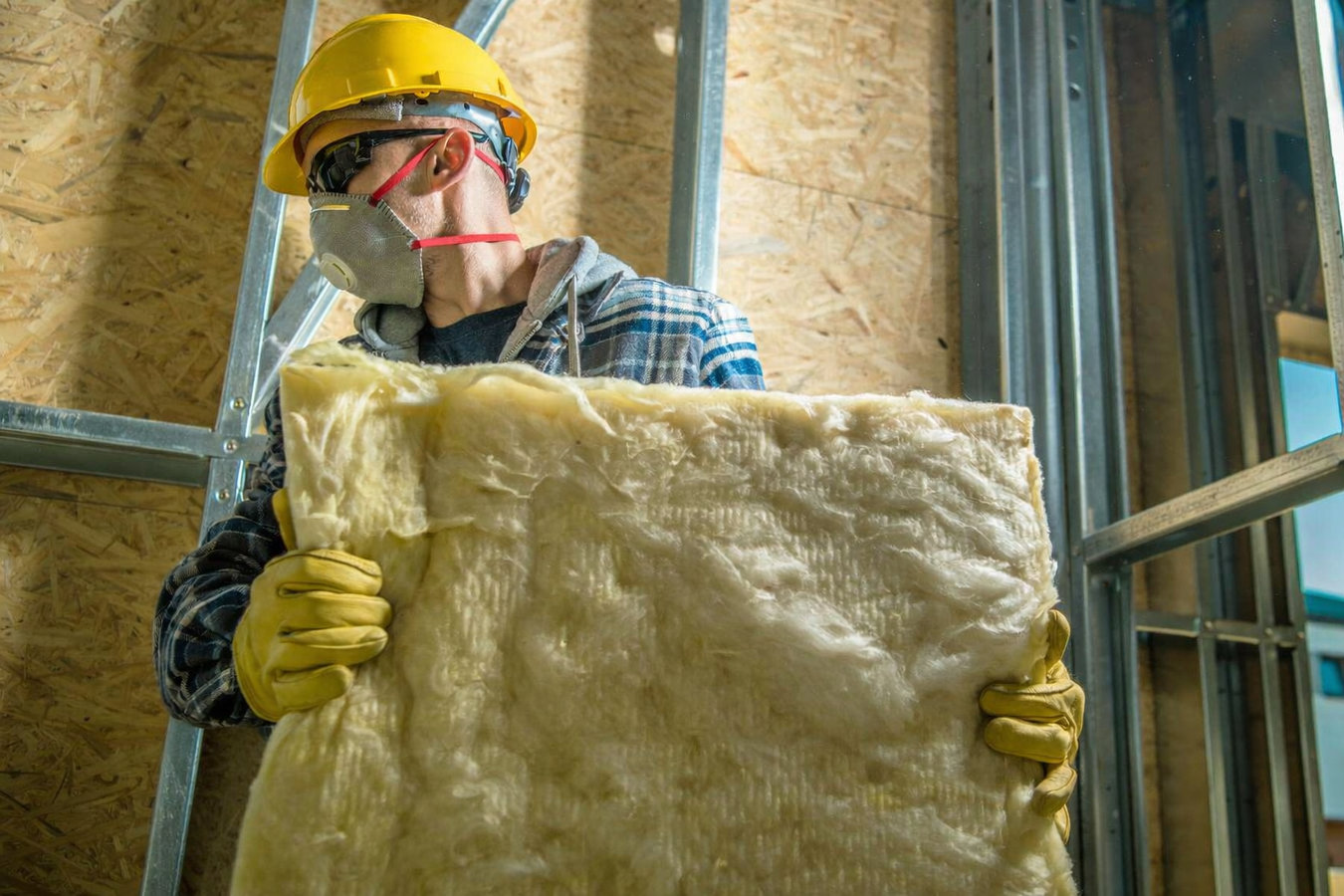
Your building is losing conditioned air and gaining desert heat all summer. Better insulation stops that cycle, cuts your utility bills, and keeps your workspace comfortable when it counts.
Commercial insulation in Hobbs slows the movement of heat through your building's walls, roof, and floors so your cooling system is not fighting desert heat all afternoon - most commercial projects are completed in one to three days depending on building size and scope.
Hobbs sits in the Chihuahuan Desert and regularly sees summer highs above 100 degrees, with intense sun beating down on flat and low-slope commercial roofs for most of the year. If your building's roof insulation is thin, old, or missing, your cooling system is working against the sun all day long, and your energy bills reflect it. Commercial buildings tied to the oil and gas industry were often constructed quickly during boom periods without energy efficiency as a priority - which means many owners of these properties find that upgrading insulation is one of the fastest ways to reduce operating costs. If you are also addressing moisture issues in a crawl space or lower level, we pair commercial work with crawl space vapor barrier installation as part of the same project.
Insulation alone is only part of the solution. Air sealing around penetrations, pipes, and roof openings is just as important - and a thorough insulation company addresses both in the same visit rather than treating them as separate jobs.
If your electricity bill jumps sharply in June and stays high through September, your building is working too hard to stay cool. In Hobbs, where summer heat is relentless, a building with inadequate insulation will show this pattern year after year. If bills have crept up even though usage has not changed, aging insulation is one of the first things worth checking.
Walk through your building on a hot afternoon and notice which spaces feel uncomfortable even with the AC running. Heat near the ceiling, along exterior walls, or in rooms directly under the roof is a reliable sign that insulation in those areas is thin, damaged, or missing. In Hobbs, the sun hits flat commercial roofs hard all day and ceiling problems show up as heat you can feel standing in the room.
Hobbs gets significant wind-driven dust, especially in spring. If fine dust is settling on surfaces inside your building even when windows and doors are closed, air is finding its way in through gaps in the building envelope - often around areas where insulation has shifted, compressed, or was never properly installed. This is both a comfort and an air quality problem.
Many commercial buildings in Hobbs were constructed during earlier oil boom periods when energy standards were less demanding. Insulation from that era may have been minimal to begin with and degrades further over time - especially if there has been any moisture intrusion, pest activity, or roof work since. If you have never had the insulation evaluated, it is worth having someone take a look.
We install spray foam, blown-in, rigid foam board, and batt insulation in commercial buildings throughout Hobbs and the surrounding region. The right material depends on your building type, where the insulation is going, and what the space is used for. For flat or low-slope commercial roofs - the most common configuration in Hobbs - spray foam is often the strongest performer because it seals air gaps while it insulates, which matters in a windy, dusty environment. For wall cavities and interior applications, blown-in or batt materials are often the more cost-effective choice.
We also handle crawl space vapor barrier work and pair it with insulation upgrades for buildings with moisture concerns in lower levels. And for commercial jobs that require the highest air-sealing performance, we discuss spray foam insulation options that apply to both residential and commercial settings. Every project includes a written estimate that breaks out materials, labor, permit costs if applicable, and the timeline - so there are no surprises on the day the crew arrives.
Best for flat or low-slope commercial roofs where heat entry is the primary problem - seals air gaps and insulates in one application.
Cost-effective choice for large attic spaces and ceiling cavities in warehouses and light industrial buildings.
Suited for exterior wall applications, roof decks, and areas where a thin, high-R-value profile is needed.
Practical for new commercial construction or open-framed walls where batts can be installed quickly and consistently.
Full removal and disposal of damaged, wet, or pest-compromised insulation before new material goes in.
Addresses both heat transfer and air infiltration in the same visit - the most thorough approach for older Hobbs commercial buildings.
Hobbs is the economic center of Lea County and home to a large concentration of commercial buildings tied to the oil and gas industry - warehouses, equipment storage facilities, office buildings, and light industrial spaces. Many of these buildings were constructed during boom periods when getting something built fast mattered more than building it efficiently. The result is a commercial building stock that often has minimal original insulation and significant air leakage. New Mexico has adopted a statewide commercial energy code that sets minimum insulation requirements for new construction and major renovations - which means if you are doing significant renovation work, the insulation has to meet current standards, not the standards from when the building was originally built. The New Mexico Construction Industries Division enforces these requirements.
We work with commercial building owners throughout the region. Businesses in Midland, TX and Andrews, TX face the same desert heat, the same wind-driven dust infiltration, and the same legacy of under-insulated commercial construction from the oil boom years. The fix is the same whether you are on the New Mexico side of the line or the Texas side.
We ask about the size of your building, how old it is, what problems you have been noticing, and whether any insulation work has been done before. We respond within 1 business day and set up a time for an in-person walk-through at no cost.
A contractor walks your building - checking the ceiling space, exterior walls, and mechanical rooms. They measure areas needing work and assess what is already there. You receive a written estimate within a few days that spells out exactly what work is proposed, what materials are used, and the total cost.
If your project requires a building permit - more likely for spray foam or larger renovations - we handle the application with the City of Hobbs or the New Mexico Construction Industries Division. This adds a few days but protects you by ensuring the work is inspected and documented.
The crew works through the areas in your estimate systematically, checking coverage as they go. Before leaving, ask for a walkthrough of the completed work. A good contractor will show you what was done, note any issues found, and confirm the inspection schedule if a permit was pulled.
We respond within 1 business day. The on-site estimate is free and comes with no obligation. We walk your building, measure what is there, and give you a written proposal that breaks out every cost before any work begins.
(575) 665-9727We give you a written proposal that breaks out the scope, materials, and cost for the full project before any work starts. You can review exactly what is included and compare it against other bids before signing anything, so there are no surprises once the crew is on site.
We have been working on commercial properties in Hobbs and Lea County since 2023. We know the commercial building stock here - the warehouses, the equipment facilities, the older office buildings from the boom years - and we know what they need to perform better in this climate.
When a permit is required for your project, we handle the application. Contractors who skip permits when they are required leave you exposed - a permit on the books means an independent inspector has verified the work, which protects your investment long-term.
Every commercial project we take on starts with a written proposal that breaks out materials, labor, and any permit costs. The Insulation Contractors Association of America recommends written contracts for all commercial insulation work - we follow that practice on every job regardless of size.
We bring the same approach to every commercial job: an honest assessment of what your building actually needs, a written proposal before any work starts, and a finished result you can see and verify. Call or submit a request to schedule your free on-site estimate.
For commercial buildings with crawl spaces or lower-level moisture concerns, a vapor barrier paired with insulation stops both heat and humidity from entering the building envelope.
Learn moreWhen maximum air sealing and insulation performance are the priority for a commercial roof or wall system, spray foam delivers both in a single application.
Learn moreHobbs summers do not wait - schedule your on-site assessment now before peak heat season fills the schedule and your cooling bills climb again.