
Loading...
Serving Hobbs, NM and surrounding areas. (575) 665-9727
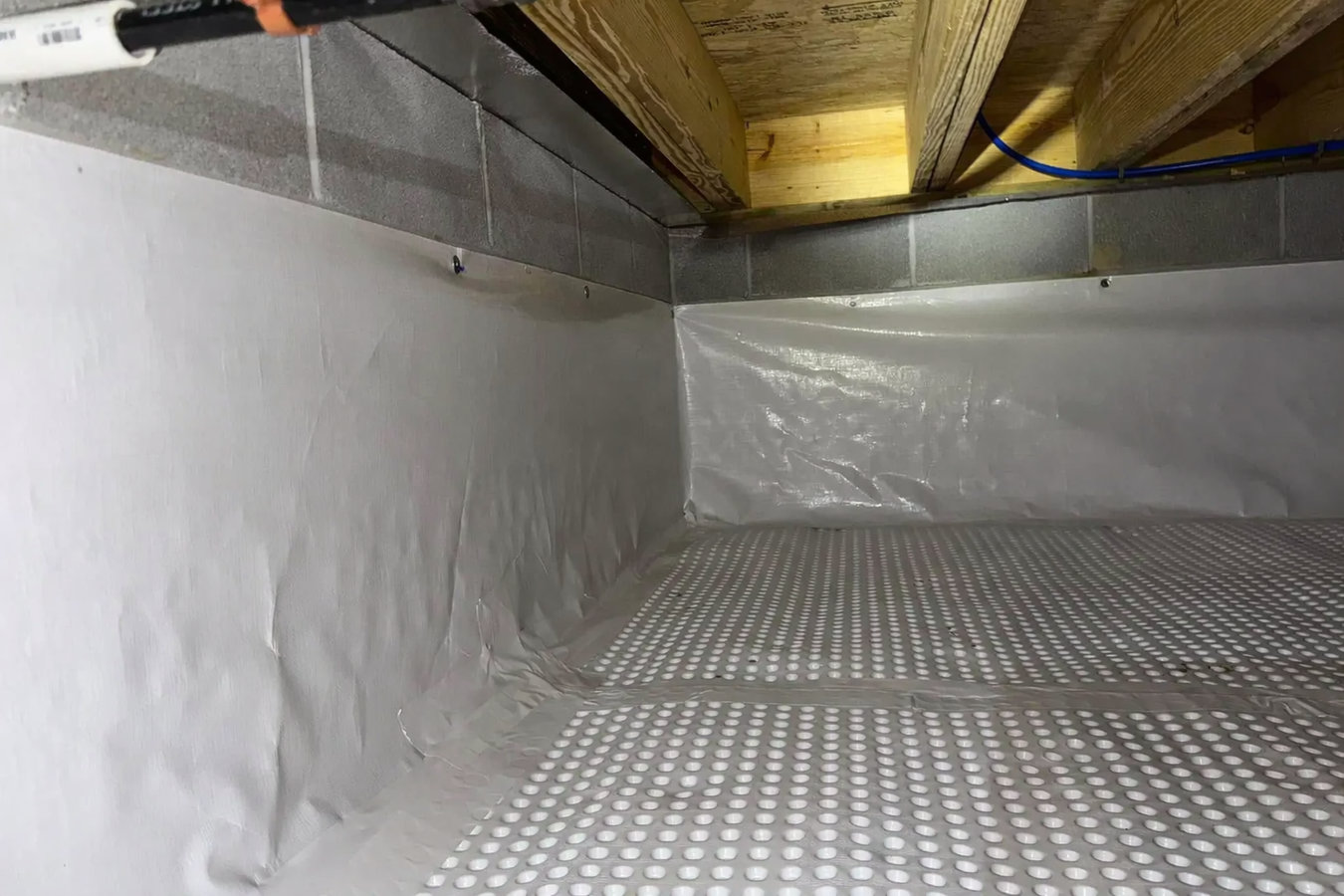
An uninsulated crawl space lets desert heat push straight up through your floors all summer. We install the right insulation and vapor barrier beneath your home so your floors stay comfortable and your HVAC system is not fighting the ground.
Crawl space insulation in Hobbs creates a thermal barrier between the ground and your floors, stopping desert heat from pushing into your living space in summer and cold from pulling warmth out in winter - most jobs for a single-family home are finished in one to two days.
Hobbs sits in the Chihuahuan Desert, where summer highs regularly exceed 100 degrees and winter nights can drop into the 20s. That 70-plus-degree swing between seasons means your crawl space is constantly exposed to temperature extremes. Without insulation below the floor, those extremes transfer directly into your home. Many Hobbs homes built during the oil boom decades have little to no crawl space insulation - the standard simply was not there when they were built.
Crawl space insulation often works best alongside a crawl space vapor barrier - a ground liner that stops moisture from rising off the soil and into your floor structure. We assess both during the free walkthrough and recommend only what your specific crawl space actually needs.
If you walk across your kitchen or living room floor in January and it feels noticeably cold through your socks, or in July it radiates heat even with the AC running, that is a direct sign that little or no insulation separates your floor from the air below. In Hobbs, where winter nights can drop into the 20s and summer afternoons push past 100 degrees, uninsulated floors are one of the most common comfort complaints homeowners describe.
If your heating or cooling system seems to work harder than it should - running almost nonstop in summer or winter without ever quite reaching the temperature you set - heat loss or gain through the floor could be a major reason. This is especially common in older Hobbs homes where the crawl space has never been updated.
If you have ever peeked into your crawl space and noticed a damp smell, visible condensation on pipes or wood, or dark staining on the floor joists, moisture is already getting in. Even in dry Hobbs, irrigation runoff and monsoon-season rain can push moisture into an unsealed crawl space, and that moisture will eventually affect your floors and air quality.
If you open the crawl space hatch and can see daylight coming in from outside, or if you feel a draft near floor-level vents on a windy day, outside air is moving freely through the space. Given Hobbs's frequent high winds and blowing dust, that means temperature extremes and fine grit are cycling through the area beneath your living space year-round.
We install insulation between the floor joists for homes with standard vented crawl spaces, and we perform full encapsulation for homes where a tighter, sealed envelope makes more sense. The right approach depends on whether your crawl space is vented or unvented, the condition of any existing material, and whether moisture is a factor. We pair every crawl space job with a check for pest entry points and seal any gaps we find before installation begins - because insulation installed over an unsealed space will not last.
We also offer crawl space vapor barriers as a standalone service or as part of a full insulation project. For homes where the existing insulation is degraded, rodent-contaminated, or missing in sections, we handle removal first so the new material goes in over a clean surface. For homeowners looking to address the full picture of heat and air loss across the home, our wall insulation service covers the above-grade envelope at the same time.
Insulation batts installed between joists - the standard approach for vented crawl spaces.
Full sealing of the crawl space with a heavy liner and wall insulation for maximum performance.
Ground-cover liner that stops soil moisture from rising into your floor structure.
Closing entry points for outside air before insulation is installed, improving effectiveness.
Clearing degraded or pest-contaminated material before new insulation goes in.
Checking for moisture problems in the crawl space before any insulation work begins.
The Hobbs area sits on caliche-heavy soil - a hard, calcium-rich layer common across southeastern New Mexico that can cause uneven settling over time. That settling sometimes creates new gaps where outside air enters the crawl space, making insulation less effective if those openings are not sealed first. The desert ground also holds heat through the night in summer, meaning the crawl space stays warm long after sundown and keeps pushing that heat up through your floor. The ENERGY STAR crawl space guidance is a useful resource for understanding what a properly sealed and insulated crawl space should look like.
We serve homeowners throughout Hobbs and the surrounding region. Neighbors in Carlsbad, NM and Artesia, NM face the same caliche soil conditions and aging housing stock, and they call us for the same reason - crawl spaces that have never been properly insulated or sealed since the home was built.
We ask a few basic questions - your address, the age of your home, and whether you have noticed specific problems like cold floors or moisture. We respond within 1 business day and schedule a free assessment at a time that works for you.
We get into the crawl space and inspect the current insulation (if any), look for moisture, pest evidence, and gaps where outside air is entering. At the end we walk you through what we found and give you a written estimate covering the full scope.
The crew works entirely beneath your home. Depending on scope, they may remove old material first, install or repair the vapor barrier, seal air gaps, then install new insulation. Most jobs are finished in one day with no disruption to your daily routine.
We photograph the finished crawl space so you can see the work without crawling in yourself. All old material and debris are hauled off. You receive written documentation of everything completed before the crew leaves.
We come out, inspect the space in person, and give you a written estimate with no obligation to move forward.
(575) 665-9727We give you a free written estimate that lays out the scope, materials, and price before any work starts. You can review exactly what the job includes and compare it before you sign anything, so you always know what you are paying for.
Installing insulation over a moisture problem or over rodent entry points means the new material will fail faster than it should. We check for both during every assessment and seal what we find before any insulation goes in. This step is the most commonly skipped - and the most important.
We are a locally owned business in Hobbs. When you call, you reach someone who works in this community and knows the local housing stock. We are not a regional company routing calls to whoever is available - we know what Hobbs homes built in the 1950s through 1970s actually look like under the floor.
Crawl space work happens out of sight, and most homeowners have no way to verify what was actually done. We document the finished space with photos and give you a written summary of everything completed. That record protects you if you ever sell the home or need to file a warranty claim.
Every crawl space job we complete is done to current New Mexico standards. We pull permits where required, and we give you documentation you can keep on file.
Seal the above-grade envelope at the same time as the crawl space for a more complete thermal barrier across your Hobbs home.
Learn moreA ground-cover liner paired with crawl space insulation to stop soil moisture from rising into your floor structure.
Learn moreSchedule your free crawl space assessment now - Hobbs summers start early, and the sooner the insulation is in, the sooner your floors and HVAC get a break.